261 Fearless: When a Number Becomes a Movement
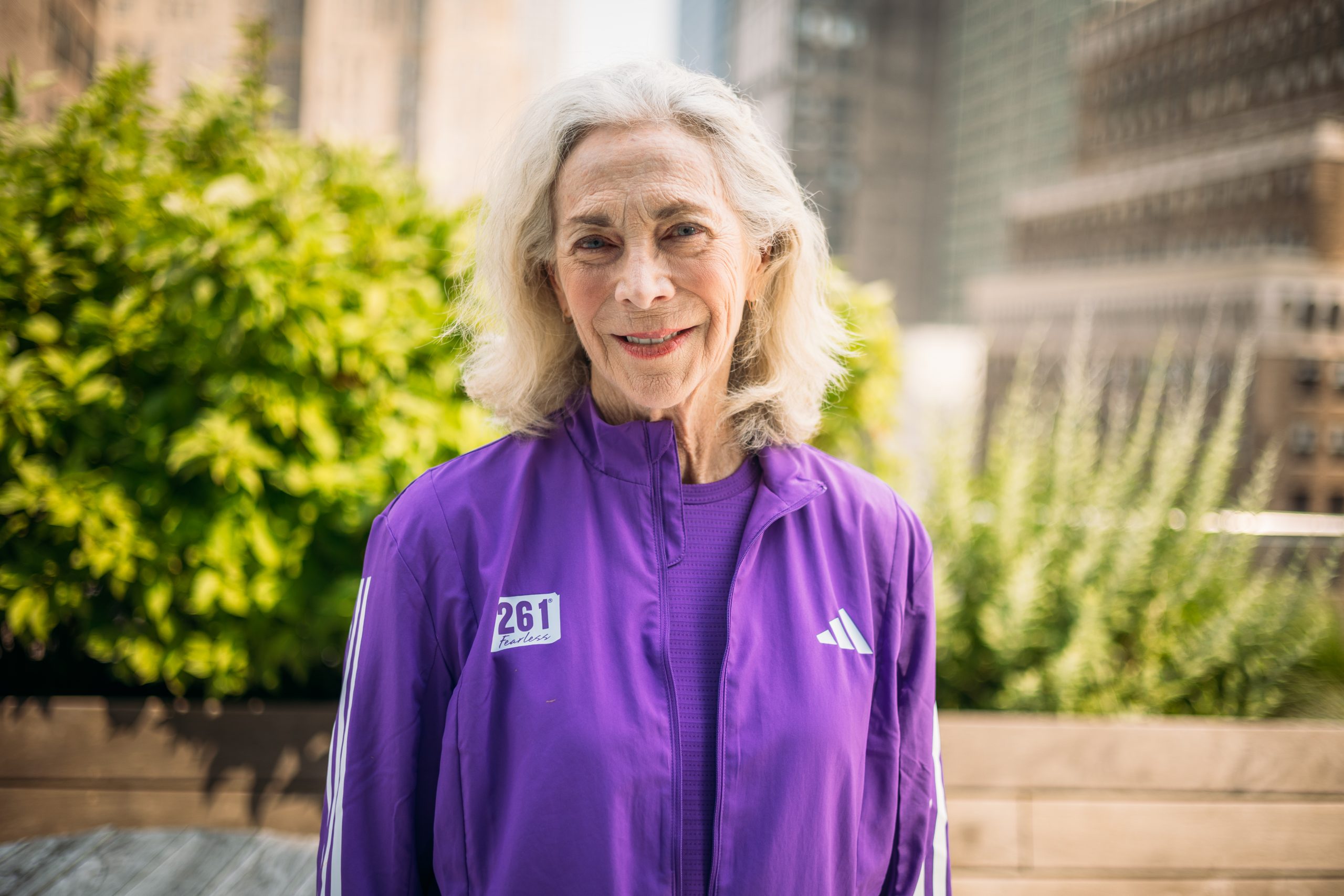
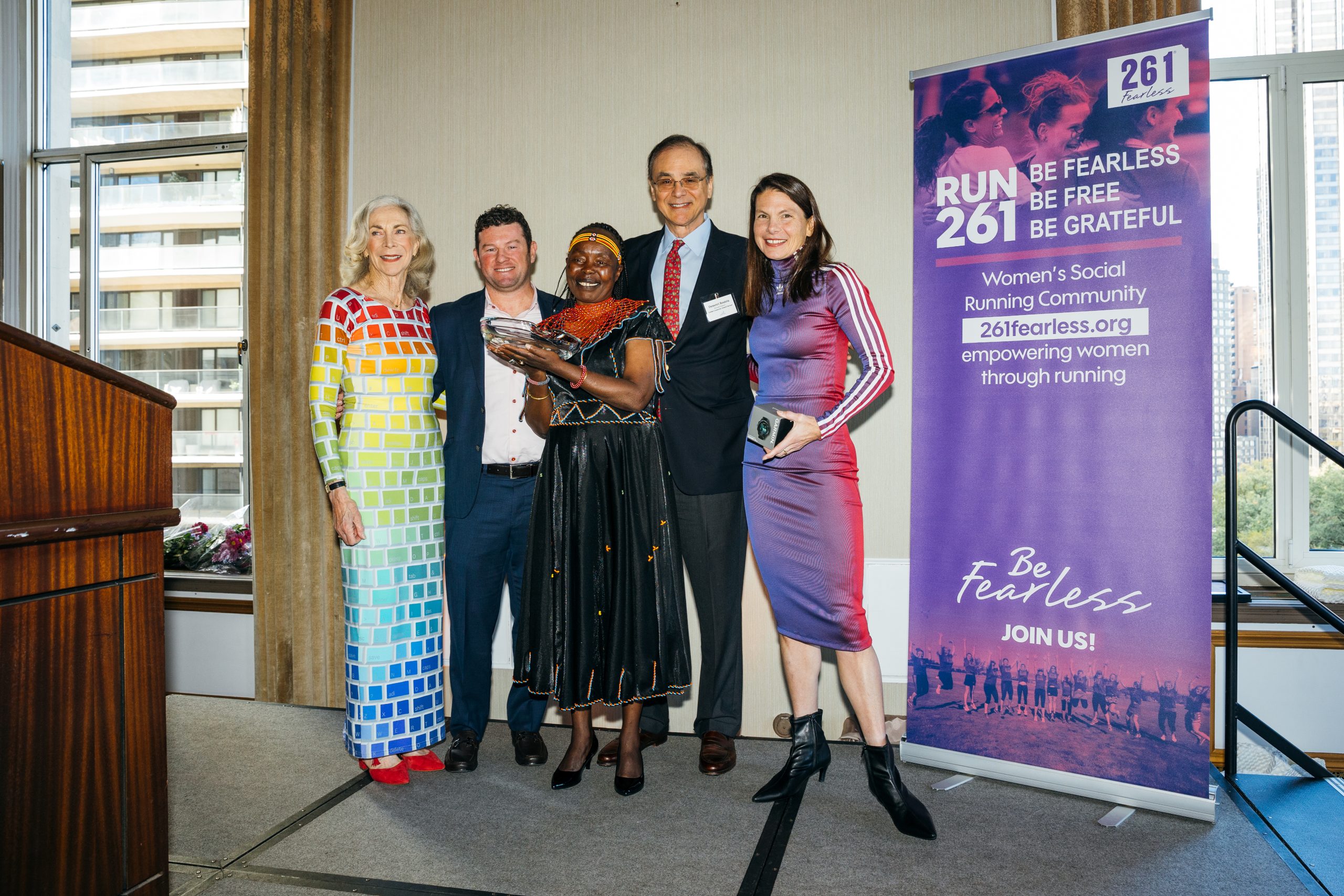
Kathrine Switzer ran wearing bib number 261 in 1967. Decades later, what began as a symbol of resistance moved beyond history and transformed into a global movement.
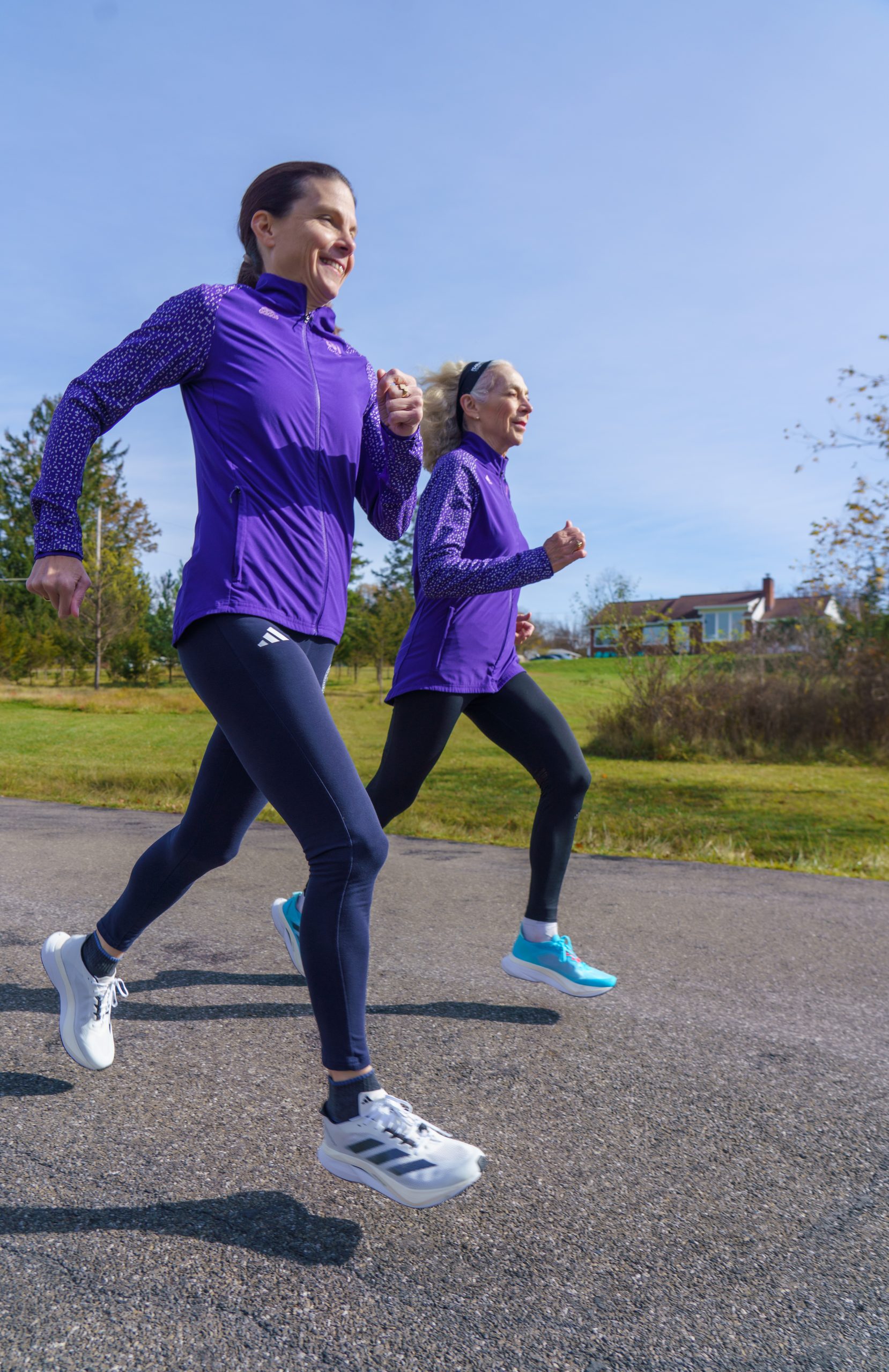
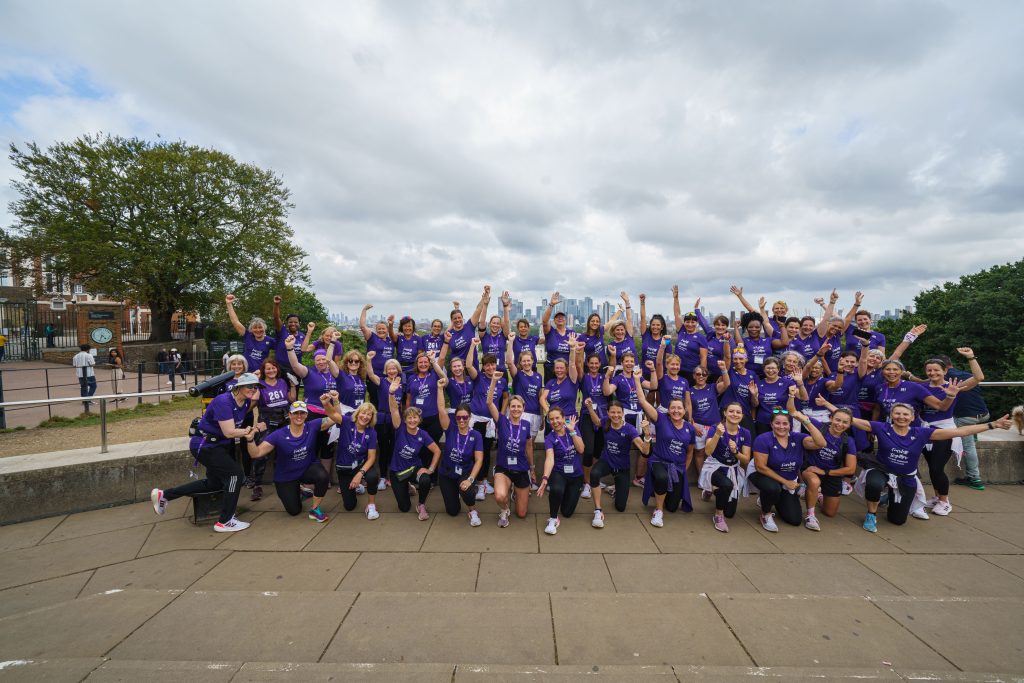
Today, 261 Fearless operates in different countries, using running not only as a sporting practice but also as a tool for self-esteem, leadership, connection, and female social transformation.
But how did a number become a community? How did one individual story become thousands of stories?

To understand what exists today behind 261 Fearless, Runners Brasil spoke with Edith Zuschmann, CEO of the project and one of the people responsible for transforming a historic symbol into a global structure of impact.
Throughout the conversation, Edith reveals how the idea was born, how women are impacted by the project, and what the major mission for the future is.
From Symbol to Global Movement
Runners Brasil: Edith, from your perspective, how did 261 Fearless evolve from a symbolic story into a global movement?
Edith Zuschmann: About 14 years ago, I had the idea of creating a women-only running group because I kept noticing something recurring: whenever I invited women to go running with me, many would hesitate or decline.
They would say, directly or indirectly:
“I’m not good enough.”
“I’m not fast enough.”
“I don’t fit the profile.”
There was always this feeling of not belonging.
I have always been an athlete. Sports have always been everything to me, but not because of the competitive aspect itself. What I love is being in motion. It is where I find energy. It is how I recharge my batteries.
Runners Brasil: And how did the idea that gave birth to the project come about?
Edith Zuschmann: I wanted other women to have that experience too, but I realized there was an emotional barrier.
So I thought: “There has to be a way to break through this barrier.”
I discovered that many women did not enjoy the competitive environment and were afraid of being judged. So I imagined a safe space where they could:
- learn;
• run;
• move;
• feel that they belong;
• be themselves.
No judgment. No pressure. No comparison. At the same time, Kathrine kept sharing something she heard constantly:“261 makes me feel fearless.”
So we combined those two things: The meaning of the number 261 and the creation of a space where women could discover their own strength. I asked Kathrine:
“Can I call this group the 261 Club?”
She replied: “Yes. Go for it.” And it worked.
The women came.
“Running is only the vehicle. The real goal is transformation.” — Edith Zuschmann
Much More Than Running
Runners Brasil: At what moment did you realize that the project could become something much bigger?
Edith Zuschmann: That happened in 2012 here in Austria, when Kathrine and I started talking and asking ourselves:
“How can we grow?”
“How can we bring this to other countries?”
So we created a training program for women to become 261 coaches. That was when the global nonprofit organization was born. But it is important to understand that this is not just a running program, it is much more than that.
Running is only the vehicle, the means of transformation.
The goal is to help women:
- become leaders;
• learn about women’s health;
• learn about women’s running;
• strengthen self-confidence;
• create local and international connections;
• take leadership positions.
“We now have a structured educational program to train women and turn them into 261 coaches capable of applying the 261 methodology.”
261 Fearless Today
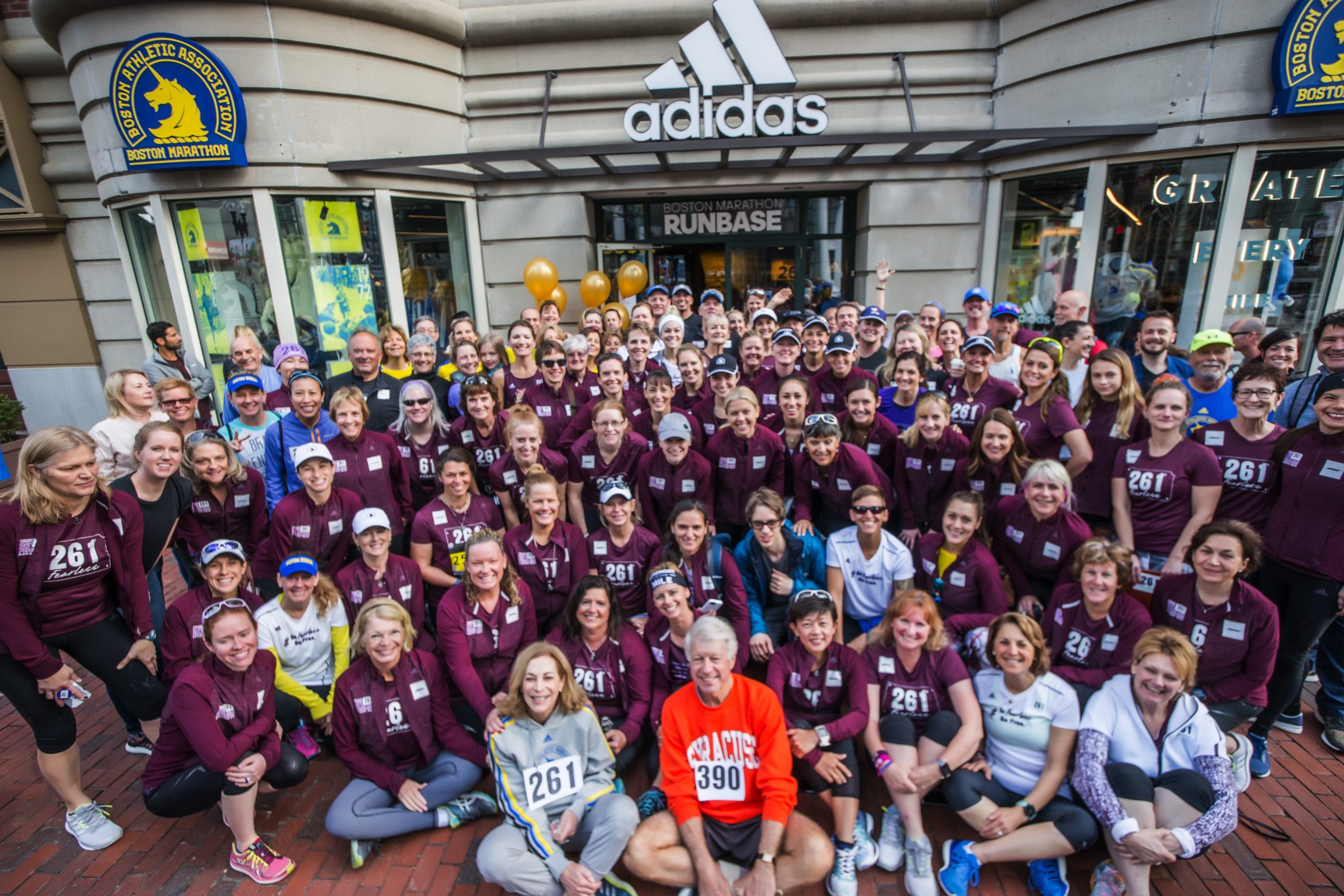
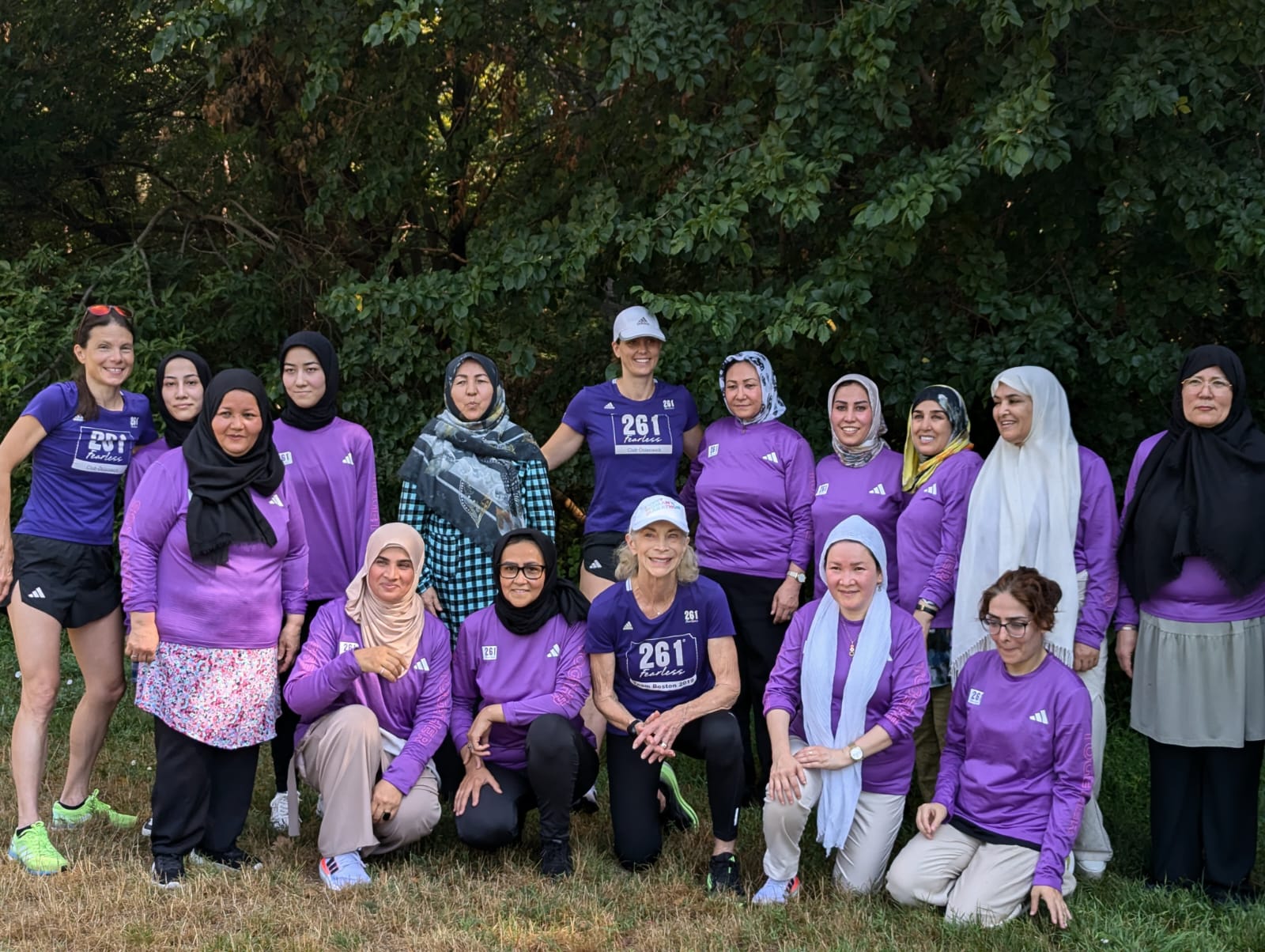
- present in 14 countries;
• more than 200 coaches;
• thousands of women impacted;
• training programs;
• female leadership;
• local support communities.
How the Movement Comes to Life
Runners Brasil: How did this growth happen in practice? How does 261 Fearless reach different countries and communities?
Edith Zuschmann: Now, this was nine years ago. Today we have clubs in 14 countries where more than two hundred women are coaches and lead local groups. So it came from a need, an idea, and an inspiration, but also from intense strategic work done by Kathrine and me to truly make it happen. We also have an incredible team.
And today, for us, it is also incredible to see the kind of impact this program creates. It is not something that works like a training plan where you prepare for a half marathon, build up over three months, and then it ends.
It is something where you start slowly.
You take a woman who has never run before and help her with her first running steps. You build gradually, create a community, establish trust, and then you see women transforming, becoming more self-confident as they realize what they are capable of achieving.
“If you can run 1 kilometer, you can achieve much more.” — Edith Zuschmann
Much More Than Running: How the Project Works
Runners Brasil: Which women can currently participate in the project?
Edith Zuschmann: We currently have 261 clubs in 14 countries. These are established clubs where women can apply to become coaches. To go through the training program, there first needs to be a 261 club in that country.
Runners Brasil: And how is a new club created?
Edith Zuschmann: Currently, there are no clubs in Argentina or Brazil. So we would need to start from scratch: create a team of women, go through the application process and management training, and legally establish the organization.
After that, we can begin looking for women interested in becoming coaches.
Runners Brasil: Is a degree in Physical Education required in order to participate as a coach?
Edith Zuschmann: No.
We have a unique internal training program. Often, leading running groups requires a university degree or specialized certifications. We want to remove that barrier and create opportunities for women to learn the fundamentals.
We also offer continuous education. Once you receive your certification, the journey does not end.
We regularly host webinars sharing the latest scientific research on women’s health and sports.
The Growth of 261 Fearless in South America
Currently, the movement is focusing its efforts on:
- Chile
• Ecuador
• future expansion into new countries
• development of local female leadership
• removal of financial barriers
• creation of sustainable communities
The First Transformation Happens Within
Runners Brasil: What is the most visible change you see in women who join the program?
Edith Zuschmann: They simply begin believing in themselves. Many arrive shy, afraid, thinking they will slow the group down, thinking they will be the last ones.
But we have one rule: The coach always stays at the back, and nobody gets left behind.
That feeling of belonging creates a ripple effect. It improves self-esteem, increases confidence, and changes the family environment. Many become more curious about themselves, physically and emotionally.
And the coaches themselves also experience a huge transformation. They learn how to lead groups without fear and carry that into both their professional and personal lives.
“If you can run 1 kilometer, you can achieve much more.”
The Future of the Movement
Runners Brasil: What is the major mission of 261 Fearless for the next decade?
Edith Zuschmann: We want physical activity to become a natural part of every woman’s life by breaking barriers, bringing cultures closer together, and reaching places where women still do not have opportunities and where support has not yet arrived.
“It is important to remember that ‘261’ was the number Kathrine Switzer wore during the 1967 Boston Marathon. It is a symbol of being fearless in the face of adversity. We want women to experience that ‘261 moment’ — to be determined and believe in themselves even when people try to hold them back. Running is the vehicle we use to teach that power.”
Kathrine Switzer opened a door in 1967.
Edith Zuschmann and thousands of women around the world continue walking through it.
Because perhaps the true power of the number 261 was never really a number.
Perhaps it has always been what happens when a woman discovers that she is stronger than she ever imagined, begins to believe in her true potential, and the number becomes a symbol of resilience and growth.